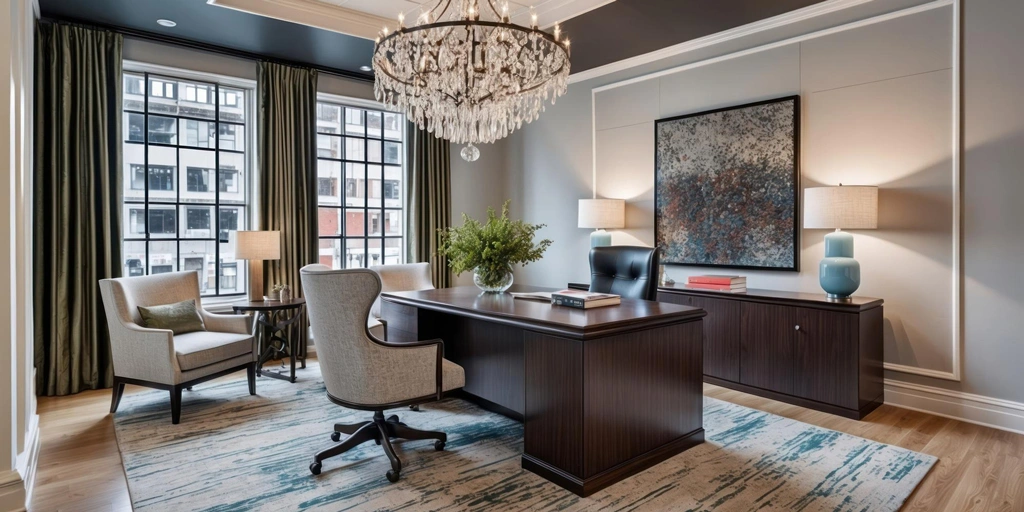
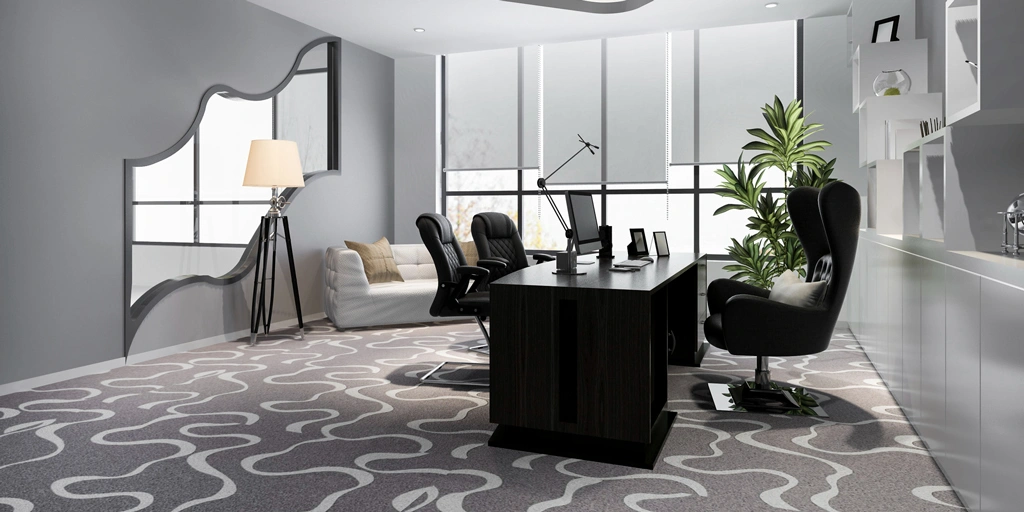
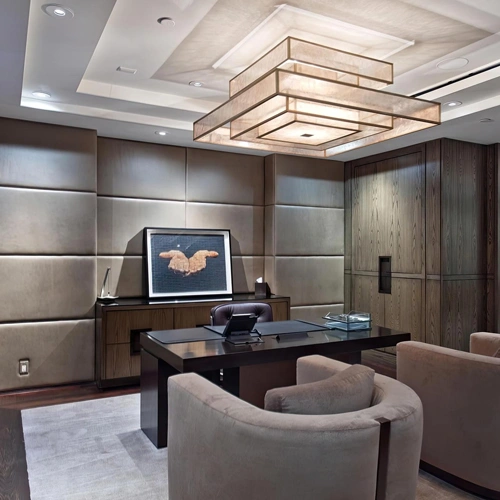
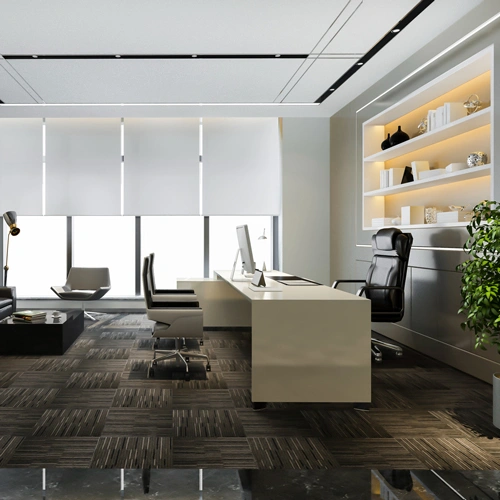
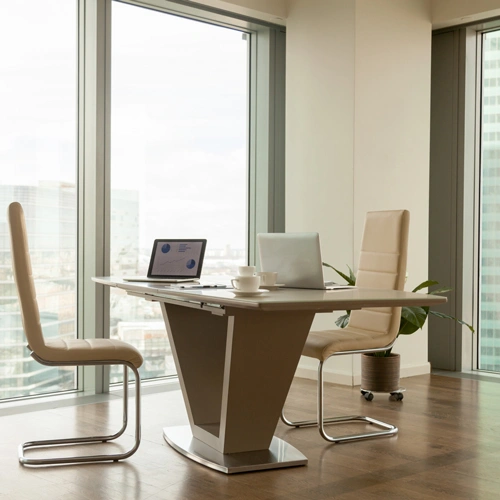
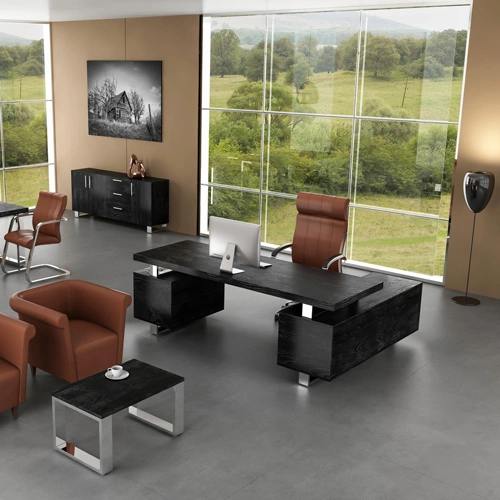
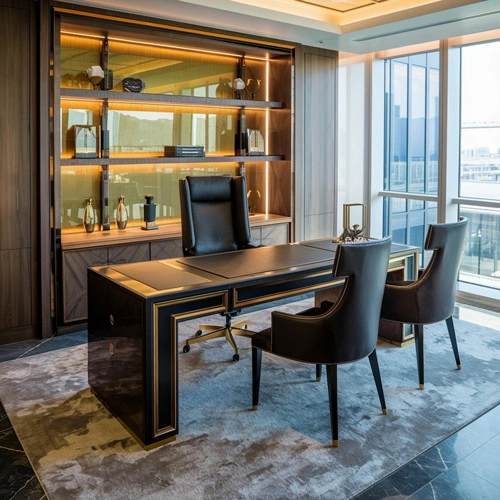
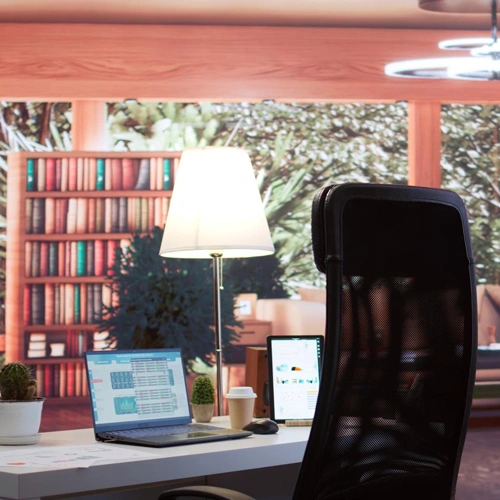
Blend luxury and functionality with Liminal for your CEO room interior design. Our expertise and knowledge of trends will help make your CEO rooms look and function at the top of their game. When I first stepped into the CEO office of a startup I consulted for, I immediately felt the impact of purposeful interior design. The atmosphere exuded confidence and professionalism. An executive’s workspace must not only reflect their leadership style but also inspire creativity and productivity. The CEO room is often where critical decisions are made, and its design can significantly influence those moments.
Liminal is the optimal choice for CEO room design due to our unwavering commitment to sophistication and functionality. We understand the distinct needs of executives and excel in creating spaces that harmonize luxury with practicality.
Our designs go beyond aesthetics, reflecting the high status of CEOs while fostering a productive work environment. With meticulous attention to detail, we ensure CEO rooms are visually stunning and conducive to focused decision-making. It is what makes us the best office interior design firm in Bangladesh.
What sets us apart is our ability to tailor each design to the unique preferences of the executive, creating a personalized space that resonates with their identity. By seamlessly blending comfort, style, and professional aesthetics, Liminal redefines CEO rooms, making us the ideal choice for those seeking an elevated and inspiring workspace.
As we are one of the best office interior design firms in Bangladesh, we take pride in providing our clients with top-of-the-line CEO room design services. Included in our services are:
A thoughtfully designed CEO room offers several benefits:
Factors Influencing CEO Room Interior Design
When considering the design of a CEO room, several factors come into play:
Functionality: The layout must accommodate meetings, calls, and personal work.
By making these considerations, we can create an executive workspace that truly enhances effectiveness and image.
Company Culture: The design should align with the brand’s identity.
Trends and Technology: Incorporating modern aesthetics and tech solutions is crucial.
By working with Liminal, you can be sure you will experience many benefits you won’t find anywhere else. Some of the benefits you can enjoy are:
Transitioning from the initial importance of the CEO room, we move to its design elements. Selecting the right furniture is essential. I recall a project where we chose a sleek, ergonomic desk paired with a high-backed chair. Not only did it create a sense of authority, but it also ensured comfort during long work hours.
Desk: Should feature ample working space and storage.
Chair: Prioritize ergonomics to promote healthy posture.
Seating Area: Include a small sofa or chairs for informal meetings.
Next, lighting plays a vital role in setting the room’s mood. I had a client who installed adjustable LED lights, allowing for a bright, invigorating atmosphere during the day and softer hues for evening tasks.
Natural Light: Whenever possible, maximize windows.
Accent Lighting: Use floor lamps and desk lights for warmth and focus.
The color palette can evoke specific emotions. For instance, I once worked on a space using calming blues and rich woods, which facilitated focus and warmth.
By carefully considering these elements, we can create a CEO room that functions effectively while also making a striking impression.
After establishing the key design elements in the CEO room, let’s discuss how we can add unique personalization. I once assisted a CEO who proudly displayed a collection of vintage globes, a testament to their passion for travel. This not only sparked conversations but also created an inviting ambiance.
It’s equally important for the space to reflect the company’s identity. I worked with a tech firm that branded their office with innovative designs—think sleek lines and futuristic pieces that echoed their cutting-edge services.
Finally, striking the right balance is essential. A room should exude professionalism while also allowing for personal expression. For example, while a well-tailored suit is appropriate for meetings, a cozy reading nook can add a touch of comfort.
By blending these aspects, we create a CEO room that is not only functional but also inspires authenticity and connection.
Moving into the realm of technology, integrating smart solutions can greatly enhance the functionality of a CEO office. In a project I managed, we installed a smart assistant that controlled lighting, temperature, and even scheduled meetings with voice commands.
Equally important are ergonomic considerations. I recall consulting with a CEO who frequently experienced back pain due to improper seating. We opted for a standing desk and adjustable chair that significantly improved their comfort during long hours.
Lastly, efficient storage and organization are key features. In one office I designed, we incorporated built-in cabinetry that minimized clutter while providing easy access to important documents.
By thoughtfully integrating these features, we can transform a CEO office into a highly functional and invigorating workspace that embraces modern demands.
As we transition to discussing sustainability, it’s important to incorporate eco-friendly practices into CEO room designs. I once worked on a project where we maximized natural light with strategically placed windows and skylights. This not only reduced energy consumption but also made the space feel expansive and open.
Biophilic Design: Incorporate plants and green walls for improved air quality.
Natural Lighting: Use light-colored surfaces to reflect sunlight.
In pursuing energy efficiency, implementing smart technology can play a significant role. For example, in a recent redesign, we installed motion-sensor lights that automatically turned off when the room was vacant, dramatically reducing energy usage.
LED Lighting: Switch to energy-efficient bulbs that last longer.
Smart Thermostats: They optimize heating and cooling based on occupancy.
Finally, selecting sustainable materials is crucial. During a renovation, I sourced reclaimed wood for furniture, which not only added character but also minimized environmental impact.
Recycled Materials: Choose furnishings made from recycled products.
Low-VOC Paints: Opt for paints with minimal volatile organic compounds for healthier air.
By embracing these sustainability principles, we not only contribute to environmental health but also create inspiring and conscientious executive spaces.
Now that we’ve explored sustainability, let’s delve into budgeting and project management for the CEO room design. I often advise clients to establish a clear budget early on to guide decision-making. In one instance, a client tried to minimize costs without compromising quality, which resulted in unexpected delays.
Prioritize Needs: Determine essential elements such as furniture and technology.
Allocate Contingency Funds: Set aside 10-15% for unexpected expenses.
Collaborating with design professionals can streamline the process. I once worked with an interior designer who specialized in executive spaces, ensuring every detail matched the client’s vision.
Choose the Right Designer: Ensure they have experience with executive room projects.
Regular Communication: Maintain open lines to address concerns promptly.
Lastly, having a well-defined timeline keeps the project on track. I recommend using project management tools to outline milestones and due dates.
Set Realistic Deadlines: Take into account potential delays and sourcing times.
Review Regularly: Hold periodic check-ins to assess progress.
By effectively managing budgets and timelines, we can create a stunning and functional CEO room within the desired parameters.