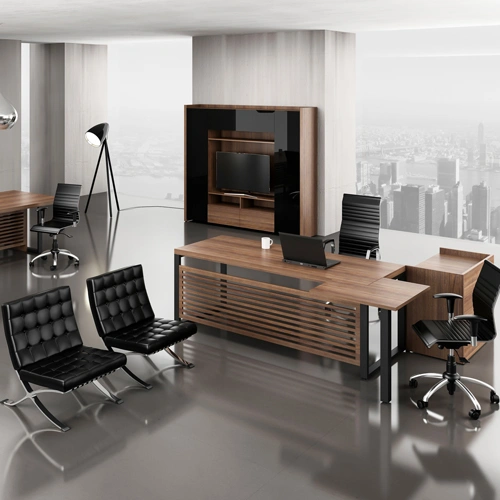
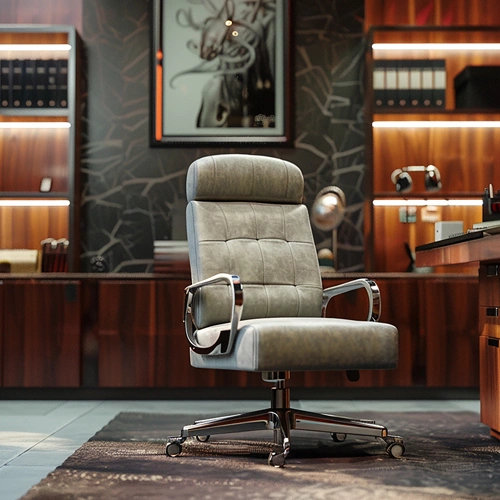
MD Room Interior Design | Director Office Interior Design in Bangladesh
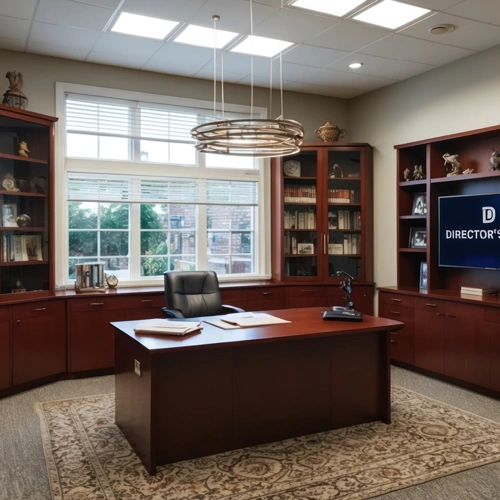
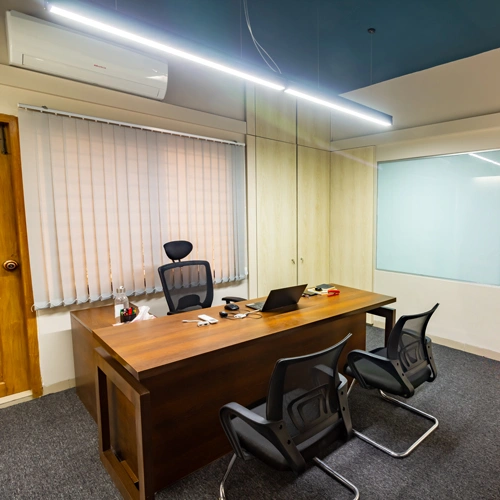
The design of a Managing Director’s or Director’s office in Bangladesh is a delicate balance between projecting authority and fostering a welcoming atmosphere. This space, far more than a mere workspace, serves as a tangible representation of the company’s values and leadership. It must be a place where crucial decisions are made, where trust is built, and where the company’s vision is articulated. Therefore, the design process requires a deep understanding of both professional functionality and cultural sensitivities. The office should exude an aura of confidence and stability, reflecting the leadership qualities of its occupant. This is achieved through the careful selection of high-quality materials, a well-organized layout, and a sophisticated color palette. The MD’s desk, the focal point of the room, should command a clear view, symbolizing control and authority. It is not merely a piece of furniture, but a strategic element in the overall design. Beyond its symbolic role, the office must be a highly efficient workspace. This necessitates a well-defined flow between the MD’s desk, meeting area, and personal space. Ergonomic furniture, chosen for both comfort and functionality, is essential for promoting focus and productivity. Seamless technology integration, including high-speed internet, video conferencing equipment, and smart technology, is crucial for facilitating modern communication and workflow.
A well-designed director’s room isn’t just about aesthetics; it’s about creating a functional space that fosters productivity and creativity. In the fast-paced world of business, where decision-making happens at lightning speed, the environment in which these critical discussions take place can significantly influence outcomes. A thoughtfully designed director’s room can set the tone for meetings, inspire innovation, and boost employee morale. Whether you’re a seasoned executive or a budding entrepreneur, understanding the importance of interior design in your workspace is essential.
in Interior Design Lighting plays a pivotal role in shaping the office’s ambiance. A harmonious blend of natural and artificial light is ideal. Large windows should be utilized to maximize natural light, creating a sense of openness and vitality. Task lighting should be implemented to provide focused illumination for work, while ambient lighting should create a warm and inviting atmosphere. The color scheme should evoke a sense of professionalism and tranquility, with neutral tones such as grays, beiges, and creams often preferred. Accents of color can be strategically incorporated to add personality and visual interest, while maintaining a sense of sophistication.
Privacy and confidentiality are paramount. Soundproofing and strategic window coverings are essential for ensuring a secure and private environment. In Bangladesh, it is also important to consider cultural sensitivities. Subtle incorporations of local art, textiles, or motifs can add a touch of cultural elegance, demonstrating respect for local traditions. The overall design should reflect the company’s commitment to professionalism, integrity, and hospitality. By carefully considering these factors, the MD’s office can be transformed into a space that not only enhances productivity but also reinforces the company’s image and values, contributing to its overall success.
Key Elements of Interior Design in a Director's Room:
When it comes to Interior furniture selection, comfort and functionality are key. After all, a director may spend long hours in meetings or brainstorming sessions. Ergonomic chairs that support the back and adjustable desks that cater to sitting or standing preferences are becoming increasingly popular. Here are some suggestions:
Desks: Opt for a large executive desk made of quality materials that provide ample workspace.
Chairs: Invest in high-quality ergonomic chairs that can be adjusted for comfort.
Meeting Tables: Choose meeting tables that can accommodate various group sizes, with a design that encourages interaction.
Color Scheme: The colors you choose can profoundly affect mood and productivity. Warm colors like reds and oranges can stimulate energy and creativity, while cooler colors like blues and greens promote calm and focus. Here are some recommended color palettes that convey professionalism: Neutral Tones: Shades of gray, beige, and white offer a sophisticated backdrop. Accent Colors: Incorporate deep blues or greens as accent colors to foster a sense of calm.Browns and greens can bring an organic feel to the space, connecting it with nature.
Lighting
Lighting plays a crucial role in setting the ambiance of the director’s room. Natural lighting is ideal as it enhances mood and has numerous health benefits. Here are some tips on choosing lighting fixtures:
Maximize Natural Light: Use large windows or skylights to allow as much natural light in as possible.
Layered Lighting: Incorporate a mix of ambient, task, and accent lighting to create a versatile and inviting atmosphere.
Smart Lighting: Consider smart lighting solutions that allow for adjustments based on the time of day or type of meeting.
Incorporating Technology Seamlessly:
In today’s digital world, integrating modern technology into the design of a director’s room is essential. This means not only having the latest audiovisual equipment but also ensuring that it’s seamlessly incorporated into the space. Here are some recommendations:
Smart Boards: Invest in interactive smart boards for presentations and brainstorming sessions.
High-Quality Audio-Visual Equipment: Ensure that the room is equipped with high-definition video conferencing tools.
Wireless Connectivity: Implement wireless solutions for easy connections to devices without cluttering the space with cables.
Personal Touches and Branding:
Incorporating personal items or company branding into the design can create a sense of identity and belonging. However, it’s important to balance personal style with corporate identity. Here are some ideas:
Artwork: Display art that reflects the company’s values or the director’s personal interests.
Company Branding: Use colors, logos, and designs that align with the corporate identity throughout the space.
Personal Achievements: Showcase awards or recognitions that highlight the director’s accomplishments.
Designing for Comfort and Functionality:
A well-thought-out layout can enhance workflow and productivity. Considerations for soundproofing and privacy are also important, especially during sensitive discussions. Here are some tips:
Open Layouts: Create an open layout that encourages collaboration while providing designated areas for privacy.
Soundproofing: Use acoustic panels or soundproof materials in the walls to minimize distractions.
Ergonomic Layout: Position furniture to facilitate easy movement and interaction between people.
Sustainability in Interior Design:
The trend towards eco-friendly materials is on the rise, and for good reason. Incorporating sustainable practices into design choices not only benefits the environment but can also enhance the company’s image. Here are some suggestions:
Eco-Friendly Materials: Choose furniture made from sustainable wood or recycled materials.
Energy-Efficient Lighting: Implement LED lighting solutions to reduce energy consumption.
Indoor Plants: Incorporate greenery to improve air quality and enhance the overall atmosphere.
Why Is Liminal Best For MD Room Interior Design ?
In crafting an exceptional MD Room and Director Office interior design, I prioritize a harmonious blend of functionality and aesthetic appeal. Key Elements of Design:Color Palette: I favor sophisticated, muted tones that evoke professionalism while promoting a calm atmosphere. Furniture Selection: The choice of premium, ergonomic furniture is essential. It not only provides comfort but also impresses clients and stakeholders. Lighting: I opt for adjustable lighting solutions to create ambiance that shifts from bright for productivity too soft for casual meetings. Technology Integration: Seamlessly incorporating state-of-the-art technology ensures that the space is functional and forward-thinking.Overall, my goal is to design a space that reflects the stature of leadership, fostering productivity and creativity.
Creating a Comfortable and Professional Office Room Interior Design:
Creating a comfortable and professional office room interior design is essential for enhancing productivity and fostering a positive work environment. To achieve this balance, I focus on a few key elements. Selecting a supportive chair and desk promotes comfort during long hours of work. Utilizing calming colors, such as blues and greens, can help reduce stress and increase focus. Implementing a mix of natural and artificial lighting creates a warm atmosphere while minimizing eye strain. Adding artwork and personal items can make the space feel inviting and reflective of my personality. By thoughtfully integrating these components, I create an office space that not only looks professional but also supports my well-being and productivity.
Key Elements of MD Room Interior Design | Director Office Interior Design:
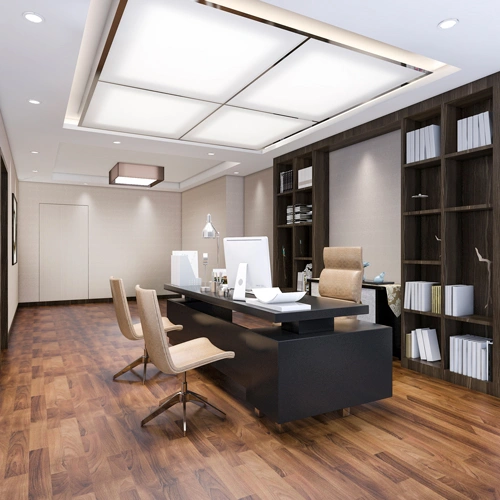
When it comes to MD room interior design and director office interior design, several key elements stand out. First and foremost, functionality is crucial; the space should serve efficient work processes while providing comfort. Aesthetic appeal is equally important, integrating colors, textures, and materials that reflect the brand’s identity and culture. Incorporating modern technology seamlessly into the design enhances productivity while promoting a professional image. Lighting plays a vital role; a balance of natural and artificial light creates an inviting atmosphere. Lastly, ensuring ample storage solutions helps maintain organization, contributing to a clutter-free environment that fosters creativity and focus. By prioritizing these elements, I can create a workspace that not only meets practical needs but also inspires excellence. Open and Collaborative: Opt for open-plan layouts with flexible workstations to foster collaboration and idea-sharing. Modern and Futuristic: Embrace clean lines, minimalist furniture, and cutting-edge technology to reflect innovation and forward-thinking. Vibrant and Inspiring: Incorporate bold colors and playful elements to create a stimulating and creative atmosphere.
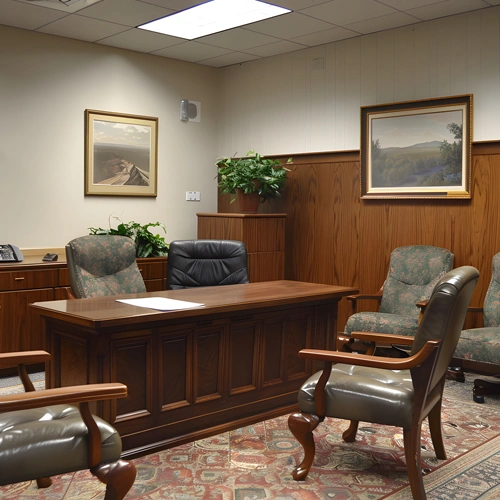
Professional and Authoritative: Choose classic and timeless designs with muted colors and sophisticated materials like wood and leather. Organized and Efficient: Prioritize functional layouts with ample storage and dedicated workspace to promote focus and productivity. Confidentiality and Privacy: Consider private meeting rooms and soundproof spaces to ensure sensitive discussions remain confidential.
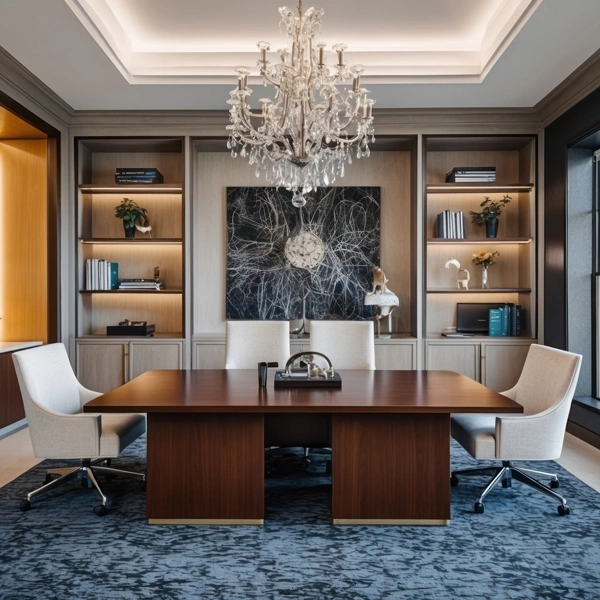
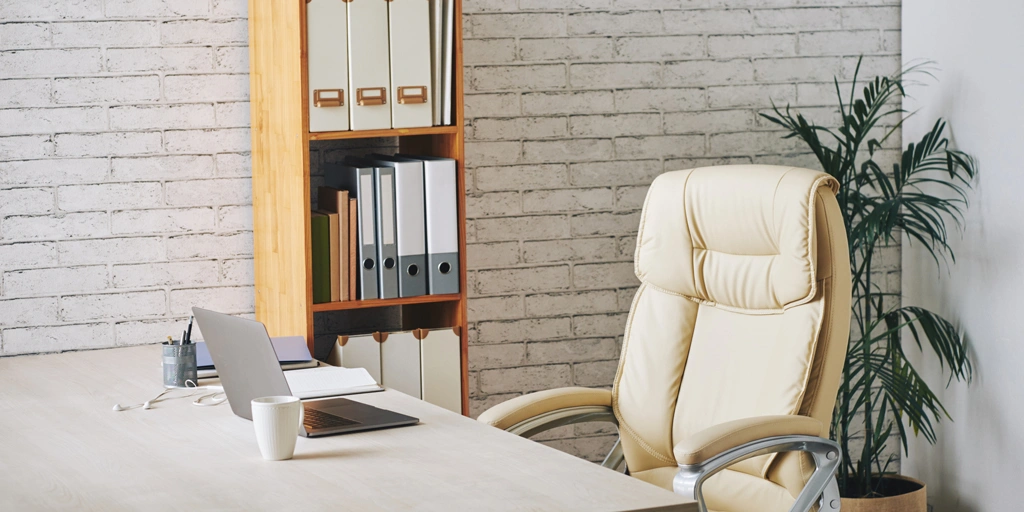
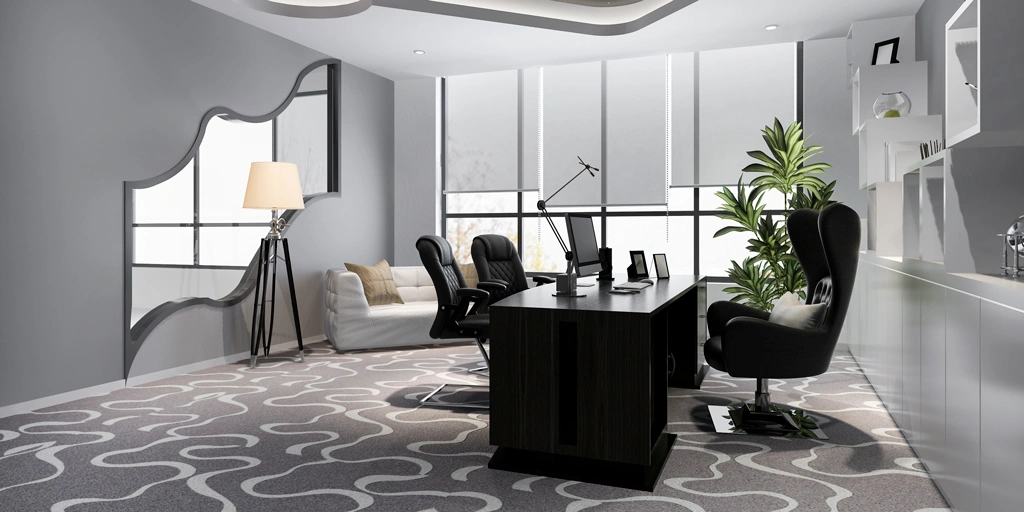
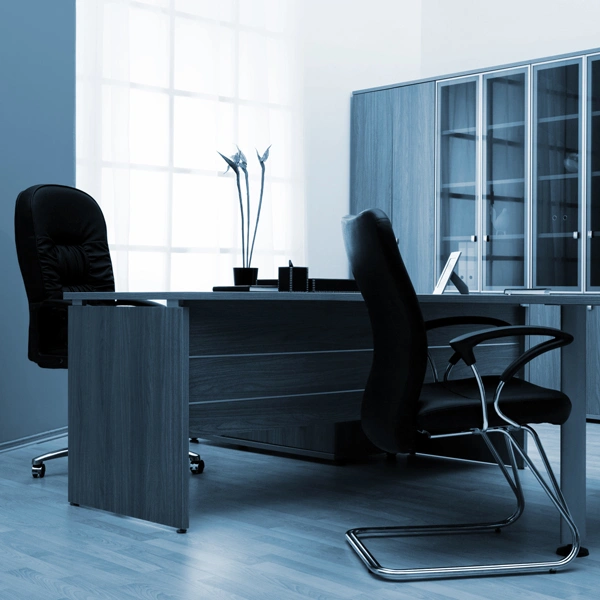
Managing Director Room Interior Design Image Gallery:
FAQ: Managing Director Room Interior Design:
What is the purpose of a Managing Director Room?
The Managing Director Room is designed to reflect the professionalism and leadership of the organization. Its primary purpose is to provide a comfortable, functional space for meetings, strategic discussions, and decision-making.
How can I choose the right color scheme for the room?
When selecting a color scheme, I generally recommend:
• Neutral tones for a professional ambiance.
• Accent colors that reflect your company's branding.
• The use of natural colors to promote a calm atmosphere.
What furniture is essential for a Managing Director Room?
Furniture Purpose
Executive Desk A focal point for work and meetings
Ergonomic Chairs For comfort during extended use
Meeting Table To facilitate discussions with team members
Bookshelves For organization and display of important materials
Credenza or Storage Unit To keep the space tidy and organized
How often should I update the room’s design?
I believe updating the room’s design every 3 to 5 years is ideal to maintain a modern and relevant look while accommodating shifts in company needs and values.
Can I incorporate personal elements in the design?
Absolutely! Adding personal touches that reflect your style and achievements is encouraged. This could include:
• Awards or recognitions
• Personal artwork or photos
• Books or items of significance
What design elements should I consider?
Key design elements include:
• Lighting: Use a combination of natural light and adjustable artificial lighting.
• Acoustics: Ensure the room is soundproofed to minimize distractions.
• Artwork: Incorporate pieces that inspire and reflect the company's culture.
How do I incorporate technology into the design?
I recommend including:
• Smartboards or interactive displays for presentations.
• Video conferencing equipment to enable remote collaboration.
• Sufficient power outlets and charging stations for devices.
What is the ideal layout for the room?
An ideal layout should:
• Encourage collaboration, with a central meeting table.
• Allow for privacy, with spaces for one-on-one discussions.
• Provide clear pathways for movement without clutter.
How can I ensure the room is functional yet stylish?
Balancing functionality with style can be achieved through:
• Selecting multi-functional furniture that saves space.
• Opting for stylish accents that align with the overall design theme.
• Utilizing decorative elements that enhance the room's aesthetics without overcrowding.
What budget considerations should I keep in mind?
Budget considerations may include:
• Furniture and fixtures: Allocate funds for quality pieces.
• Lighting: Invest in both natural and artificial sources.
• Design services: Consider hiring a professional for cohesive design.