Call Us
01955-464625


In Bangladesh, the interior design of hotel restaurants plays a crucial role in creating an inviting and memorable dining experience for guests. My design philosophy emphasizes a harmonious blend of aesthetics, functionality, and local culture. By utilizing rich fabrics, traditional motifs, and contemporary elements, I strive to craft spaces that reflect the unique identity of each hotel while providing comfort and elegance. Attention to detail, such as lighting and layout, enhances the ambiance, ensuring that diners feel welcomed and engaged. Ultimately, my goal is to elevate the dining experience, making every meal not just about food, but also about the atmosphere and overall enjoyment.
When I first started diving into the world of hotel interior design, I quickly realized just how pivotal a well-designed space can be for a dining establishment. Think about it: the moment a guest walks into a hotel they are greeted not just by the aromas wafting from the kitchen but also by the environment that surrounds them. An effective interior design:
I’ve often witnessed how an exquisite ambiance can elevate a simple meal into a remarkable dining experience.
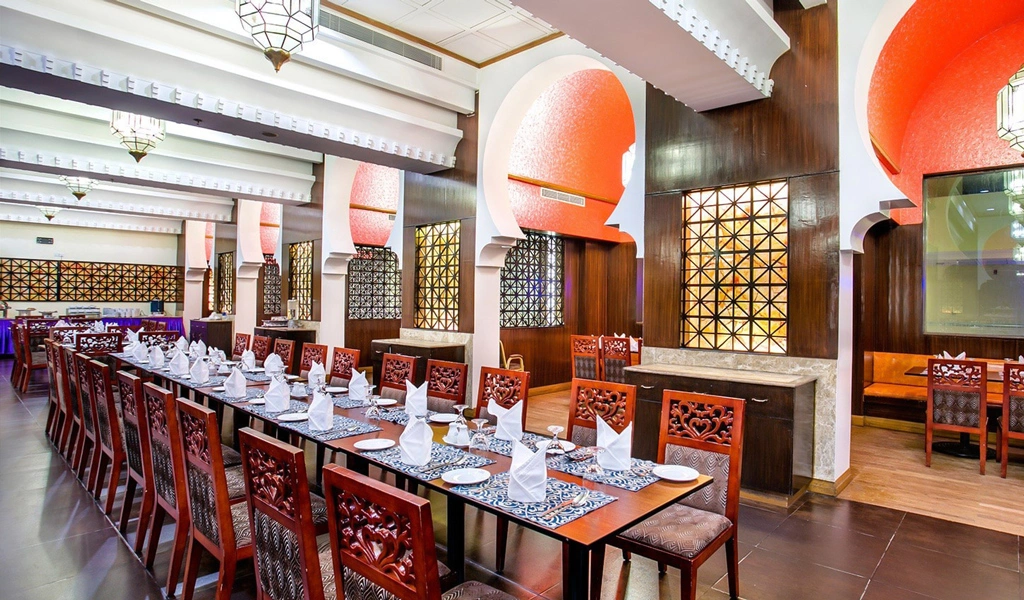
In Bangladesh, the hotel interior design service industry has blossomed over the past decade, driven by both local and international tourism. With an increasing number of hotels looking to differentiate themselves, insightful interior design has become crucial. Here are some trends that I’ve observed in the Bangladeshi market:
As a result, interior designers like myself are continually inspired to create unique spaces that leave a lasting impression on guests. This thriving industry in Bangladesh presents exciting opportunities for innovation and creativity, launching us into the future of dining experiences.
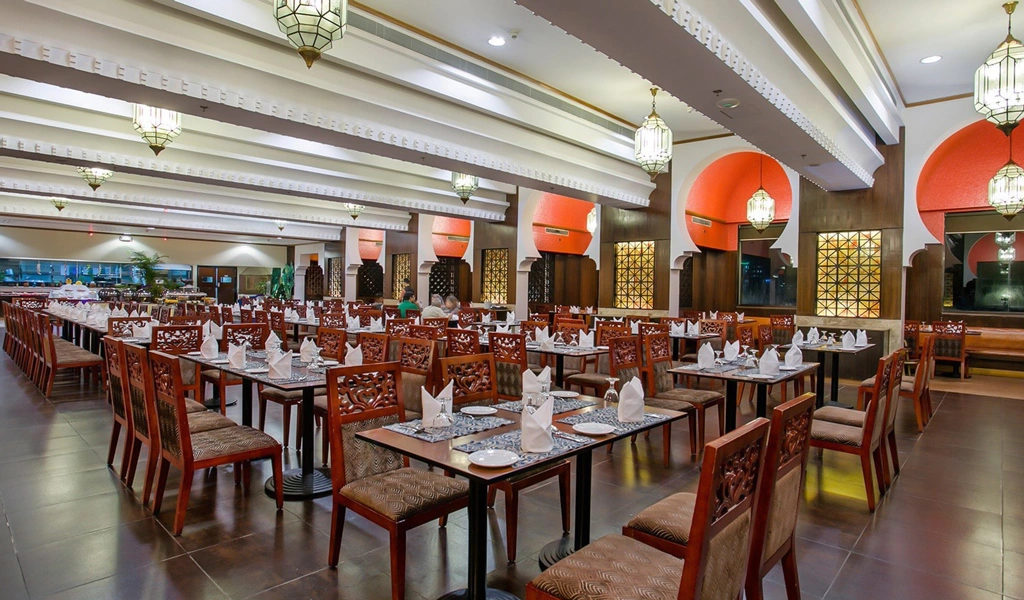
Furniture and Fixtures: As We delve deeper into the world of hotel interior design, one element that always catches my attention is furniture and fixtures. These are not just functional items; they play a crucial role in creating an inviting atmosphere. When selecting furniture, I focus on several key factors:
Fixtures, such as unique light fixtures or statement art pieces, enhance the visual appeal and add character to the space. I often recommend incorporating custom-made fixtures that reflect the Hotel’s vision; this can be a game-changer.
Lighting and Ambiance: As any interior designer knows, lighting is the magic wand that transforms a space. The right lighting can elevate the dining experience dramatically. Here are some elements I always consider when planning lighting:
Having transformed a café’s lighting from stark to inviting with carefully placed pendant lights, I’ve seen firsthand how lighting can completely reshape an ambiance. Achieving the right balance between furniture, fixtures, and lighting is vital, creating an environment where guests feel comfortable and valued.
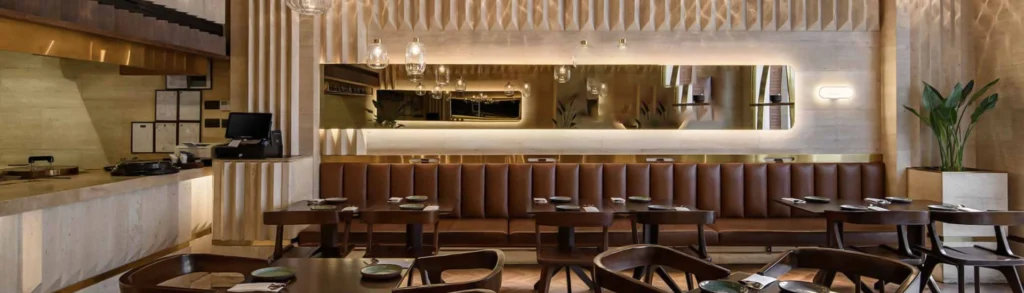
One of the most exciting aspects of hotel interior design is the way color schemes and patterns can dramatically shape the atmosphere. I’ve often found that the right colors can evoke emotions, setting the tone before guests even sit down. For effective color schemes, I tend to focus on a few key principles:
Once the colors set the tone, the layout and spatial planning come into play—this is where the magic happens! Here’s how I approach spatial planning to create an inviting atmosphere:
By harmonizing color schemes and layout strategies, I always aim to create an environment that conveys warmth, comfort, and a sense of belonging—making every guest feel at home in the Hotel.
Transitioning from creating a welcoming atmosphere, it’s essential to focus on another cornerstone of hotel Hotel interior design: functional design. While aesthetics are crucial, the efficiency of kitchen and service areas can make or break the dining experience. In my experience, well-thought-out kitchen and service areas are not just about looks; they’re about ensuring a smooth operational flow, which ultimately benefits the guest experience. Here’s why functional design in these areas is vital:
By prioritizing functionality in kitchen and service areas, I am able to create not only a visually appealing space but also a highly efficient environment that meets the demands of both staff and guests. When these areas are designed effectively, everyone benefits—resulting in faster service, happy employees, and, most importantly, satisfied diners.
Comfort is paramount; after all, guests are more likely to linger and enjoy their meals if they feel relaxed. Here’s what I emphasize:

As we dive deeper into the nuances of functional design, one crucial aspect that deserves our attention is seating arrangements and comfort levels. After all, the way guests feel in a Hotel ultimately influences their overall experience. From the moment they sit down to the last bite of dessert, seating plays a vital role in shaping their journey.
Understanding Guest Preferences
In my career as an interior designer, I’ve learned that understanding the diverse preferences of guests is key to creating a welcoming dining experience. Here are some considerations I always keep in mind:
Neutral Color Schemes: A palette dominated by whites, grays, and beiges creates a calm ambiance. Accents of greenery, such as indoor plants or green walls, can infuse life into such spaces without overwhelming the guests.
Functional Furniture: In a recent project, I selected multi-purpose tables that can be easily rearranged for various dining events, allowing for flexibility in seating arrangements.
Balancing traditional elements with modern minimalist designs opens up exciting possibilities, enabling designers like myself to create unique dining experiences that cater to diverse client preferences. It’s a constant adventure to harmonize these contrasting styles while ensuring that each space tells a captivating story!
Traditional Bangladeshi Elements: One of the most enriching aspects of hotel interior design in Bangladesh is the integration of traditional elements. As I work on various projects, I find that these cultural features create a strong sense of place, connecting guests to the rich heritage of the region.
Incorporating traditional design might include: Local Art and Craftsmanship: Handcrafted furniture or textiles woven by local artisans can tell a story about the region’s history. I once designed a hotel where each table featured hand-painted ceramics, representing myths and legends of Bangladesh.
Bamboo and Jute Accents: Furniture crafted from these sustainable materials adds a rustic charm while supporting local industries. It’s always a pleasure to see guests value the craftsmanship and sustainability behind their seating.
Color Palettes Inspired by Nature: Utilizing vibrant colors drawn from the lush landscapes of Bangladesh can evoke warmth and familiarity. Earthy tones mixed with pops of color from local flora create a harmonious dining environment.
Such elements not only enhance aesthetic appeal but also foster a connection to the cultural roots that resonate deeply with both locals and international guests.
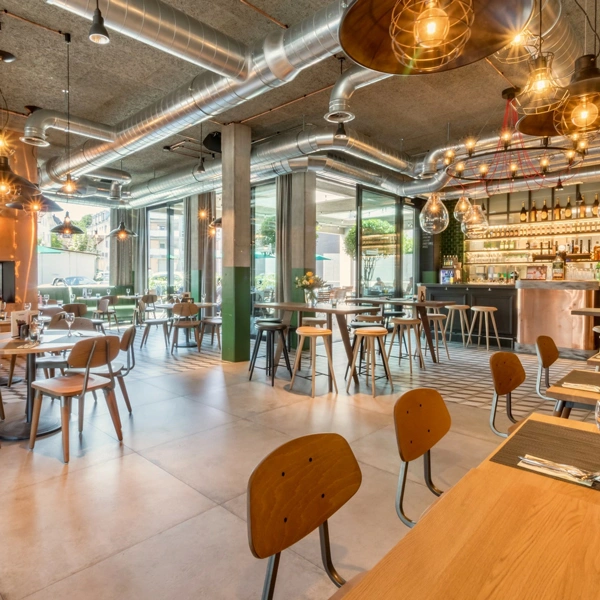
Utilizing Liminal’s Hotel interior services is an investment that generates impressive results, whether you’re opening a new Hotel, redesigning an existing space, or trying to build a distinctive brand identity.
A suitable strategy for the furniture layout is required for the Hotel’s interior design. A Hotel is a calm setting. To make the plan entertaining, the layout must be inventive. Customers are drawn to unique concepts and keep returning to the hotel. In addition, the greatest service in a Hotel is greatly influenced by the kitchen design. So that you can serve meals more quickly, it needs a decent kitchen with a pantry and a cooking area. For a Hotel to provide good service, the kitchen’s flow and clearing are crucial. These characteristics are well known to our interior designers at Liminal. We’ll create a restaurant that draws people, advertises your company, and keeps them coming back for more.
Modern Minimalist Designs
On the flip side, the modern minimalist trend is also gaining traction in the Bangladeshi hotel Hotels scene. This approach emphasizes simplicity, functionality, and an uncluttered aesthetic which many contemporary diners find appealing. Here are some key features of modern minimalist designs:
Clean Lines and Open Spaces: I often opt for clear sightlines and open layouts which allow guests to breathe easily, enhancing their overall dining experience.
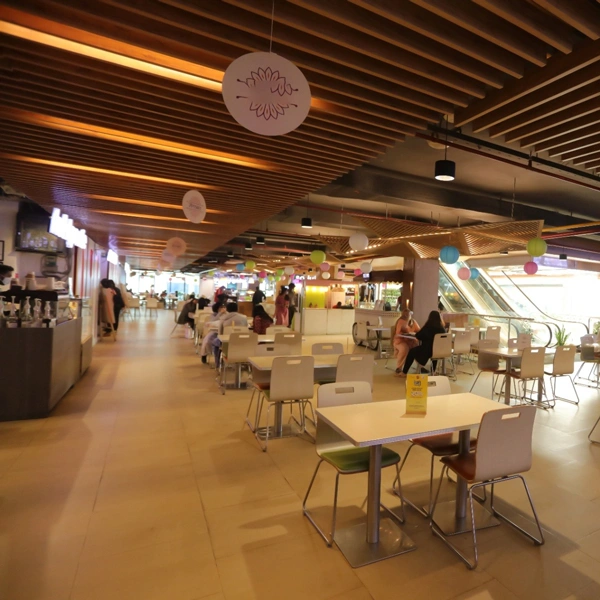
Liminal creates sensory-pleasing culinary havens in addition to designing Hotels. Our dedication to providing settings that enhance dining experiences, attention to detail, and innovation is reflected in our Hotel Interior Service. Once we’re done, the design of your Hotel will resemble a work of art. Of course, your budget limitation is crucial in this situation. But we’ll make sure it draws visitors and helps your company grow.
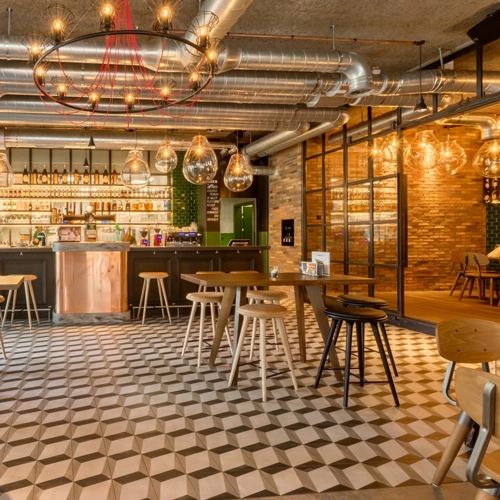
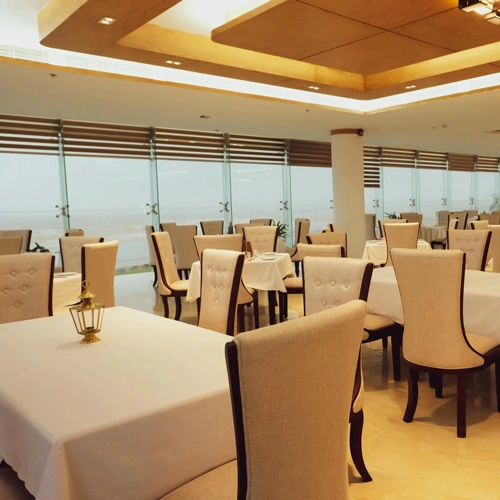
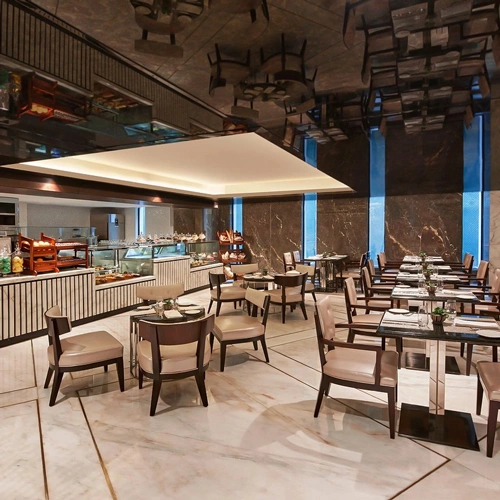
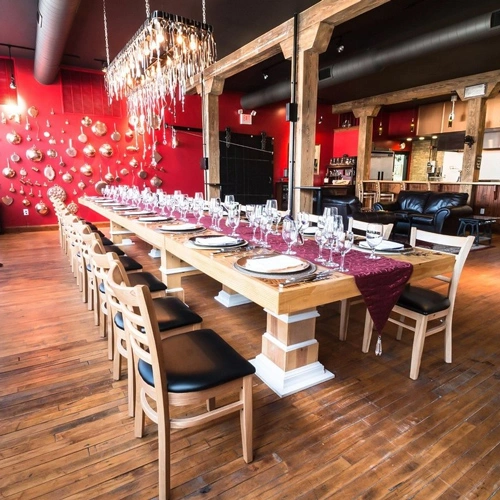
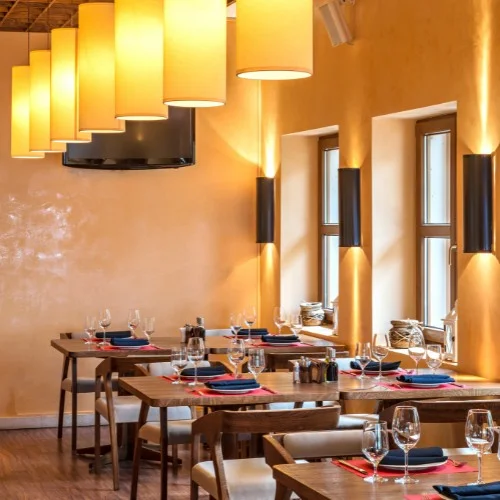
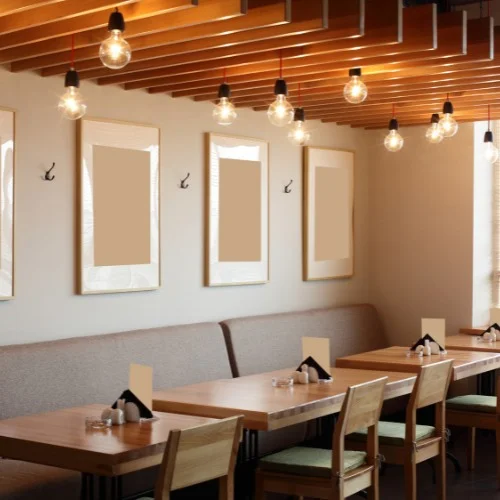
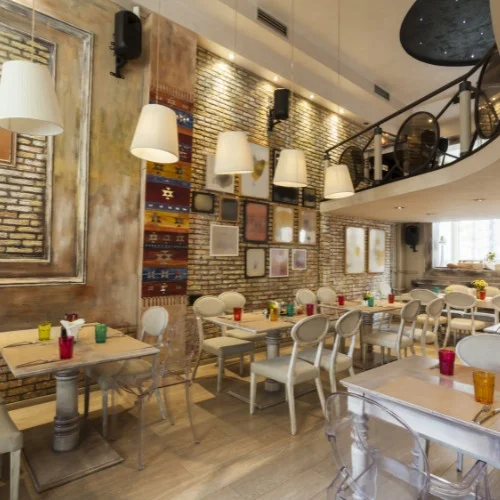
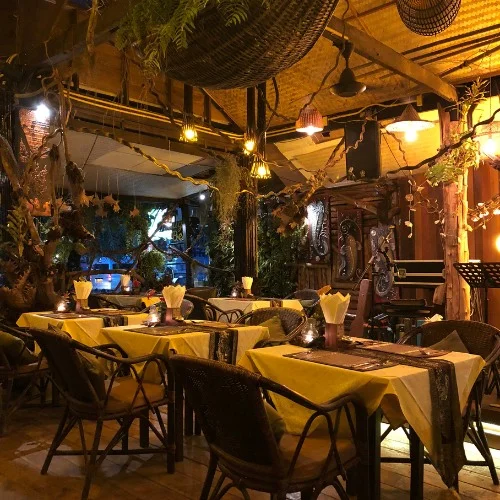
With the help of Liminal‘s Hotel interior service, elevate your dining experience. To start the process of making your Hotel into a sensory masterpiece, get in touch with us right away. We are here to make your eating experience extraordinary as it awaits you.
| Element | Description |
| Theme | A cohesive style that reflects the hotel’s identity. |
| Color Palette | Colors that evoke emotions and impact guest experience. |
| Furniture & Layout | Comfortable and functional pieces arranged effectively. |
| Lighting | Ambient, task, and accent lighting to create mood. |
| Materials & Textures | Choices that resonate with the design theme and are durable. |