Call Us
01955-464625


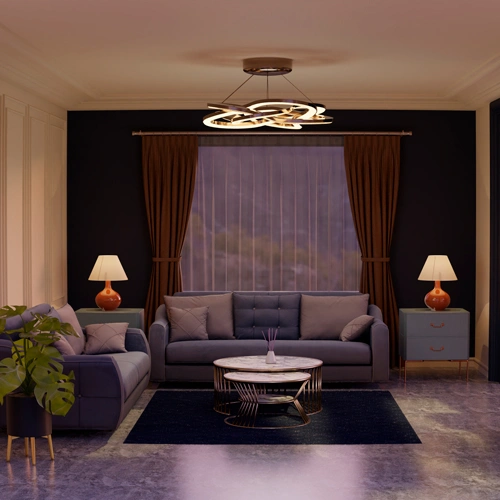
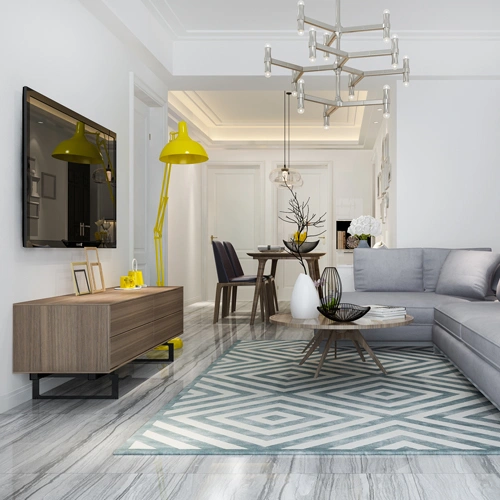
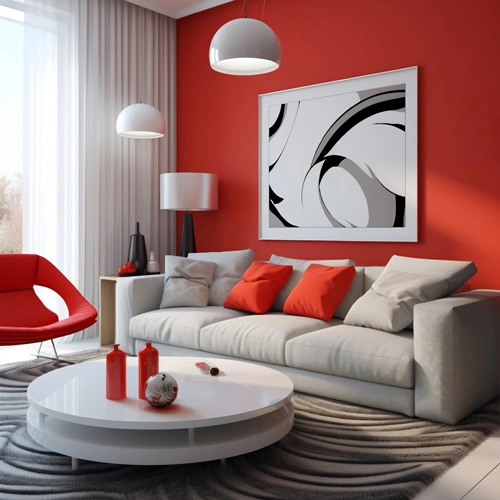
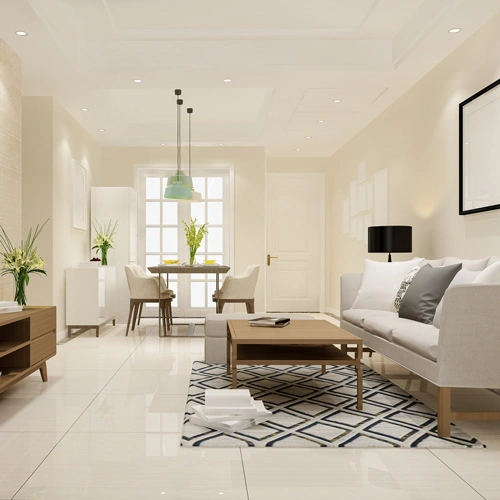
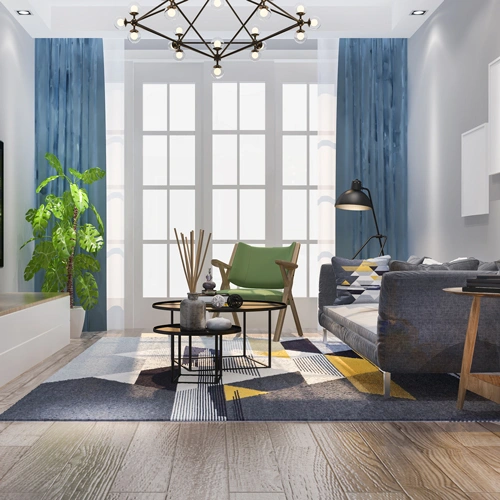
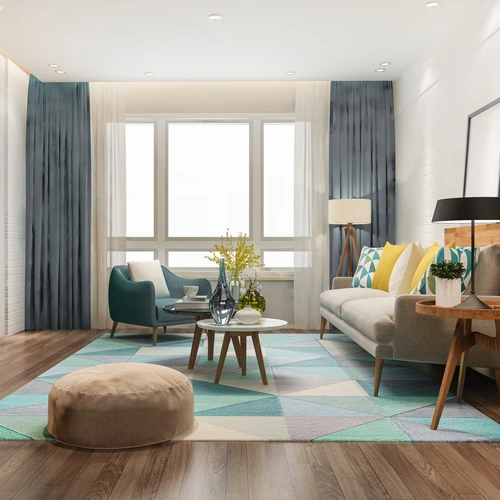
The living room, often considered the heart of the home, serves as a versatile space for relaxation, entertainment, and social gatherings. Living room interior design is therefore a critical aspect of creating a comfortable, functional, and aesthetically pleasing environment that reflects the homeowner’s personal style and caters to their lifestyle. It’s a delicate balance of form and function, where comfort meets style, and personal expression intertwines with practical needs. The design process begins with a thorough assessment of the space, considering its size, shape, and natural light availability. These factors significantly influence the layout and furniture arrangement. A well-planned layout ensures optimal flow and functionality, creating a welcoming and inviting atmosphere. The focal point of the living room, whether it’s a fireplace, a large window, or an entertainment center, dictates the arrangement of furniture and the overall design direction. The living room is a central hub in any home, reflecting personal style and comfort. Effective interior design in this space emphasizes a balance between functionality and aesthetics. Choosing the right color palette can set the mood, while furniture selection should prioritize comfort and cohesion. Integrating art, textiles, and accessories can add character and warmth, making the living room a welcoming environment for family and guests alike. Proper lighting further enhances the ambiance, transforming the room into a versatile space for relaxation and entertainment.
Furniture selection is paramount in living room design. Comfortable seating, such as sofas, armchairs, and ottomans, provides ample space for relaxation and social interaction. The choice of furniture should reflect the homeowner’s style and preferences, while also considering the room’s size and layout. A balance between comfort and aesthetics is essential, ensuring that the furniture is both visually appealing and supportive.
The choice of a color palette sets the tone for the entire living room. Neutral colors, such as grays, beiges, and whites, create a sense of calm and sophistication, providing a versatile backdrop for other design elements. Accent colors, introduced through textiles, artwork, or decorative accessories, add pops of personality and visual interest. The color palette should reflect the homeowner’s style and create a harmonious and inviting atmosphere.
Lighting plays a crucial role in shaping the living room’s ambiance. Natural light, when available, should be maximized, as it enhances well-being and creates a sense of openness. Artificial lighting, including ambient, task, and accent lighting, should be strategically placed to create different moods and atmospheres. Ambient lighting, provided by overhead fixtures or recessed lighting, sets the overall mood. Task lighting, such as reading lamps, offers focused illumination for specific activities. Accent lighting, strategically placed to highlight artwork or architectural features, adds depth and visual interest.
Textiles and decorative accessories add layers of texture, warmth, and personality to the living room. Rugs, pillows, throws, and curtains enhance comfort and visual appeal, while artwork, photographs, and decorative objects reflect individual tastes and create a sense of belonging. Plants introduce a touch of nature, purifying the air and adding a sense of life and vibrancy. The selection of these elements should be cohesive and reflect the overall design aesthetic.
Current trends in living room design reflect a growing emphasis on open-plan layouts, multifunctional spaces, and sustainable materials. Open-plan layouts create a sense of spaciousness and connectivity, seamlessly integrating the living room with other areas of the home. Multifunctional spaces cater to diverse activities, such as working from home or entertaining guests. Sustainable materials, such as reclaimed wood and eco-friendly textiles, reflect a growing awareness of environmental impact.
Technology integration is also a significant aspect of modern living room design. Entertainment centers, smart home devices, and concealed wiring enhance functionality and convenience. The integration of technology should be seamless and unobtrusive, complementing the overall design aesthetic.
Ultimately, successful living room interior design is about creating a space that is both beautiful and functional, a reflection of the homeowner’s personal style and a haven for relaxation and social interaction. It requires careful planning, attention to detail, and a thoughtful consideration of the interplay between form and function.
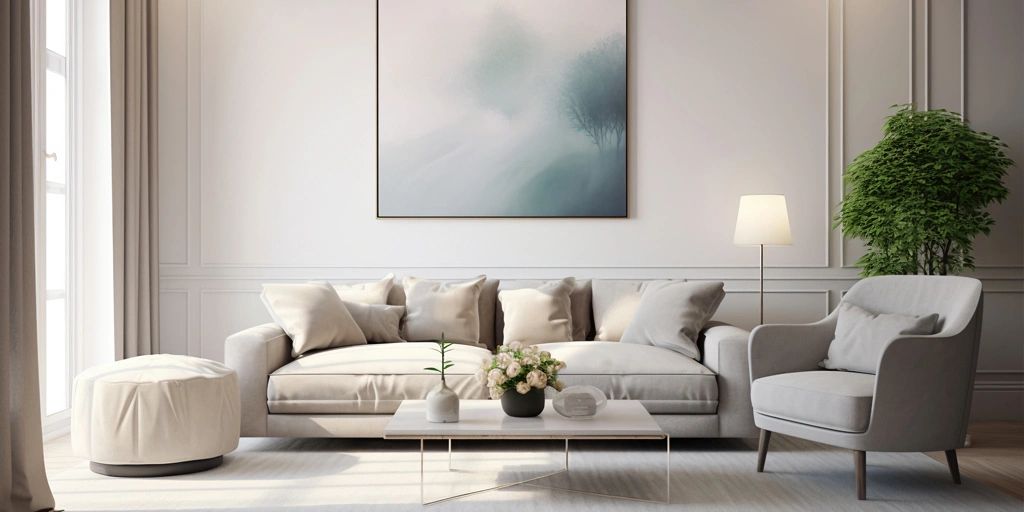
Living room interior design serves as a cornerstone of any home, marrying functionality and aesthetics to create a space that resonates with comfort and style. Having established the importance of living room interior design, it’s time to delve into the key elements that contribute to a well-rounded space. The selection of furniture, lighting, color schemes, and textures all work together to create a harmonious atmosphere.
Creating a Functional Space: A well-designed living room goes beyond what meets the eye; it emphasizes functionality. This is where families gather, friends socialize, and memories are created. When crafting a functional space, several elements come into play:
The visual appeal of a living room also plays a crucial role in interior design. A beautifully designed space elevates mood and makes a lasting impression on guests. A few ways to enhance aesthetics include:
The right lighting can transform the ambiance of a living room, and color schemes tie the aesthetics together.
A well-thought-out color palette can also evoke different emotions—from tranquil blues for relaxation to energizing yellows for creativity.
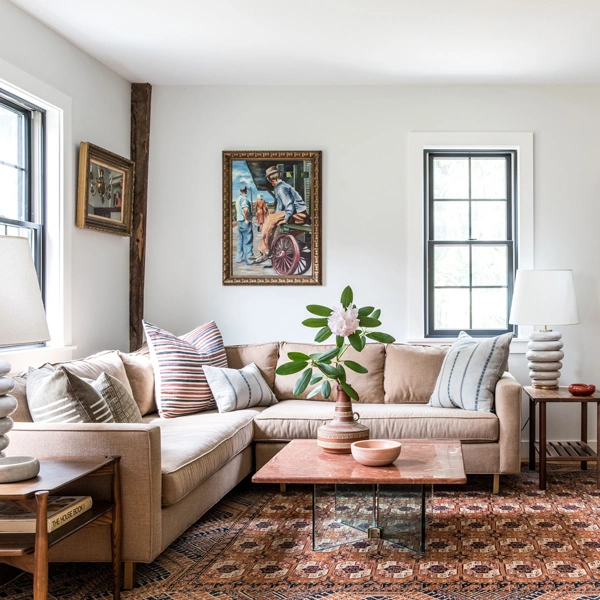
Choosing the right furniture sets the foundation for your living room design. Whether you’re going for a modern, contemporary look or a more traditional vibe, furniture can dictate the entire feel of the room. Consider the following:
Don’t overlook the importance of textures and fabrics, as they add depth and warmth to your living room. Mixing materials—like a plush velvet sofa paired with a rustic wooden coffee table—creates visual interest.
Together, these elements of furniture selection, lighting, color schemes, and textures form the essential framework of a living room design that is both functional and stylish.
Layout and Space Planning: Having discussed the essential elements of living room design, it’s now time to focus on layout and space planning. Proper arrangement of furniture and maximizing space efficiency are key factors that can dramatically influence your living room’s functionality and comfort.

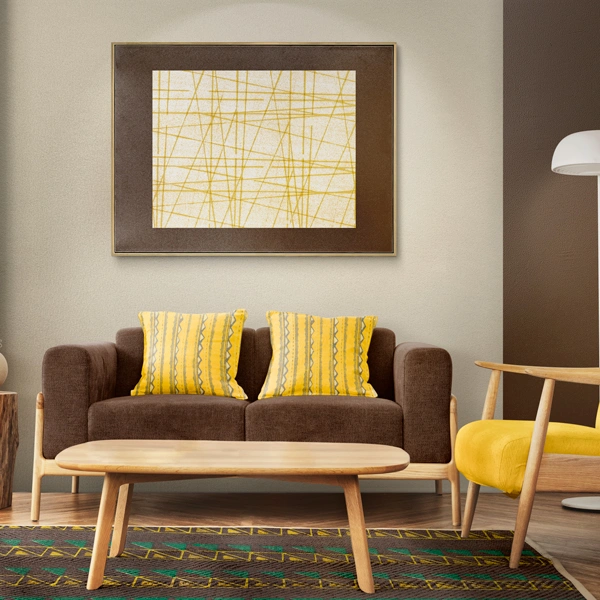
The way you arrange furniture can make or break the overall feel of your living room. It’s important to think strategically about how each piece interacts. Here are some pointers for getting it right:
Maximizing Space Efficiency
Especially in smaller living rooms, making the most out of every inch is crucial. Here are some strategies to maximize space efficiency:
Taking the time to thoughtfully arrange furniture and maximize space can create a living room that is not only inviting but also efficient, allowing it to be a true reflection of its occupants’ lifestyle.
At Liminal, Now that the layout and space planning have set the stage for your living room, it’s time to dive into decor and accessories. These elements add personality and warmth, transforming the room from functional to truly inviting.
Wall Art and Decorative Pieces: Wall art serves as a focal point that can reflect your taste and style. Whether it’s a gallery wall featuring family photos or an oversized canvas painting, the right artwork can set the mood. Here are some tips to consider:
Rugs and curtains add crucial layers to your living room design. They can unify the space and enhance its ambiance. Consider these aspects:
Bringing nature indoors instantly breathes life into a room. Plants not only purify the air but also add vibrant color.
Incorporating thoughtful decor and accessories into your living room enriches the environment, making it a space where family and friends can relax, connect, and create lasting memories together.
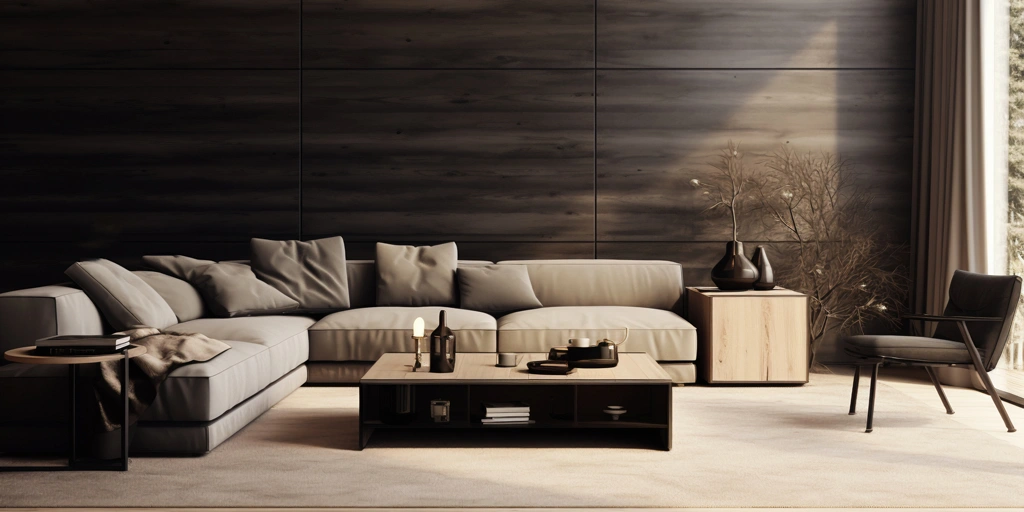
Selecting a cohesive design style is essential for a polished look, and it can simplify decision-making as you choose decor and furnishings. Here are a few popular styles to consider:
By incorporating your personal touches and choosing a design style that resonates with you, your living room will reflect your identity, creating a warm and welcoming space that resonates with you and anyone who steps inside. With your living room adorned with personal touches and a cohesive design style, it’s essential to maintain organization and efficiency. Effective storage solutions can help keep your space clutter-free and functional, allowing you to enjoy your beautifully designed area.
Establishing a systematic approach to organization can transform your living room into a serene space. Here are some practical tips you can implement:
Investing in multi-functional furniture can significantly enhance both storage capabilities and space efficiency. By choosing items that serve dual purposes, you can maximize your living room’s functionality. Consider these options:
By implementing effective organization strategies and selecting multi-functional furniture, you can create a clutter-free living room that perfectly balances style and practicality. With clear pathways and designated spaces, your living area will remain a welcoming oasis for family and friends, allowing for relaxation and enjoyment.
As you continue to enhance your living room’s appeal, it’s important to keep costs in check. Fortunately, there are numerous budget-friendly design ideas that can help you create a stunning space without breaking the bank. This includes engaging in DIY projects and smart shopping strategies.
DIY Projects: Taking on DIY projects can be a fun and rewarding way to personalize your living room while saving money. Here are some ideas to consider:
As you continue to curate your dream living room, embracing sustainable and Eco-friendly design principles can not only elevate your space but also make a positive impact on the environment. By being mindful of the materials, you choose and incorporating energy-efficient solutions, you can create a beautiful, responsible living area.
When it comes to selecting materials for your living room, opting for sustainable options is key. Here are some ideas for eco-friendly materials that are both stylish and kind to the planet:
Incorporating energy-efficient solutions in your living room can significantly reduce your environmental footprint. Here are some strategies to consider:
By focusing on sustainable materials and energy-efficient design, you can create a stylish living room that reflects your commitment to the environment. The beautifully curated space will not only enhance your home but also inspire others to consider Eco-friendly practices in their own lives.
Trends and Inspirations: As your living room evolves into a stylish haven, it’s beneficial to stay informed about current design trends and seek out sources of inspiration. This will not only keep your space relevant but also ignite creativity, giving you fresh ideas to incorporate into your decor.
Modern design is continuously changing, bringing forth new ideas that resonate with various lifestyles. Here are some of the hottest trends to consider for your living room: